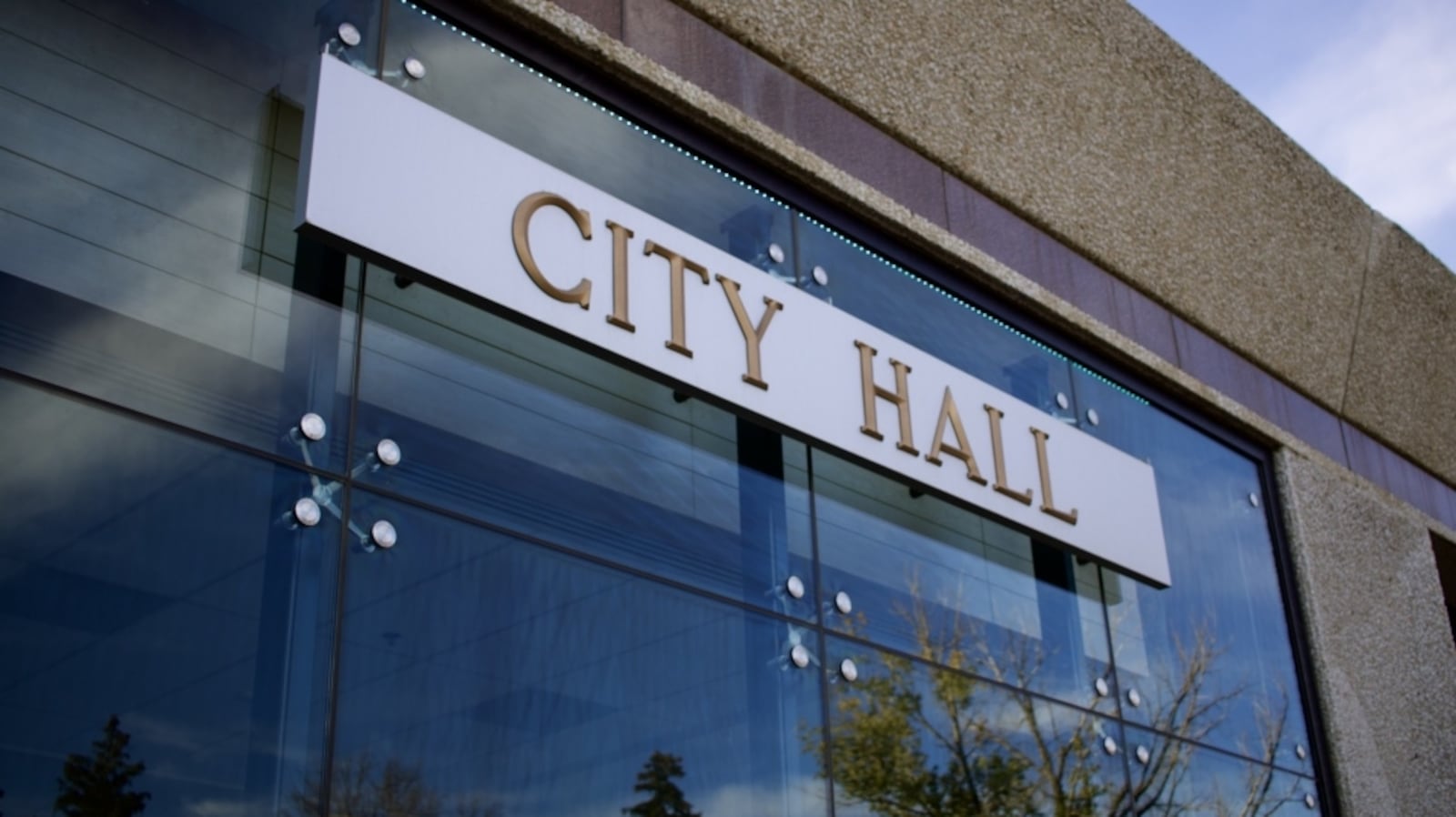
The City of Regina received four whistleblower complaints last year, although none were substantiated. According to its Whistleblower Program Annual Report, two of the complaints received were investigated while the other two failed to meet the Whistleblower Protection Policy threshold or lacked sufficient information. The report says all four complaints were human resource related. “Although these complaints are not substantiated, they provide valuable insight and help identify opportunities for control improvement,” read the report. How the process worksAccording to Regina’s Whistleblower Policy, the city’s internal auditor must report the outcomes of investigations annually. The policy is a tool for City of Regina employees to confidentially report wrongdoing related to the city without fear of reprisal. Wrongdoing refers to illegal, unethical or inappropriate conduct, including: - Crime or suspected criminal activity
- Fraud and theft
- Wrongful/unauthorized acquisition, use or appropriation of city assets
- Falsification, alteration or manipulation of city documents/records or computer files
- Danger to public health or safety
- The misuse of position for personal gain
- Financial irregularities
- Any fraudulent claim for reimbursement
A triage team consisting of the internal auditor, director of people and organizational culture (or designate) and the city solicitor (or designate) is required to conduct an initial review of complaints received under the policy. The City of Regina has engaged an independent third-party service to manage the Whistleblower Hotline, which forwards complaints to the triage team for assessment and investigation. “Allegations meriting investigation under the Whistleblower Program are typically investigated by designated personnel or an internal team, identified by the triage team, with support provided by resources within Administration,” read the report. “Where the nature of an allegation is such that greater independence, subject matter expertise or objectivity is warranted, the use of an external resource may be considered.” The city says it offers monthly fraud awareness training sessions to help its employees detect early red flags. “Post-session feedback has been highly positive, with participants assigning the sessions an average rating of 4.5 on a scale of 1 to 5 (where 4 denotes ‘very good’ and 5 denotes ‘excellent’), indicating an enhanced understanding of fraud risks relevant to the City,” the report read. Through four sessions in 2026, attendance ranged between 20-25 employees per session, with numerous departments represented. The City’s Audit and Finance Committee is set to receive and file this report at its July 29 meeting.
|